When Something Fails After Hours: What to Report and Why It Matters
The first ten minutes of an after-hours call decide how smoothly the next ten hours go.
October 16, 2026 · 3 min read
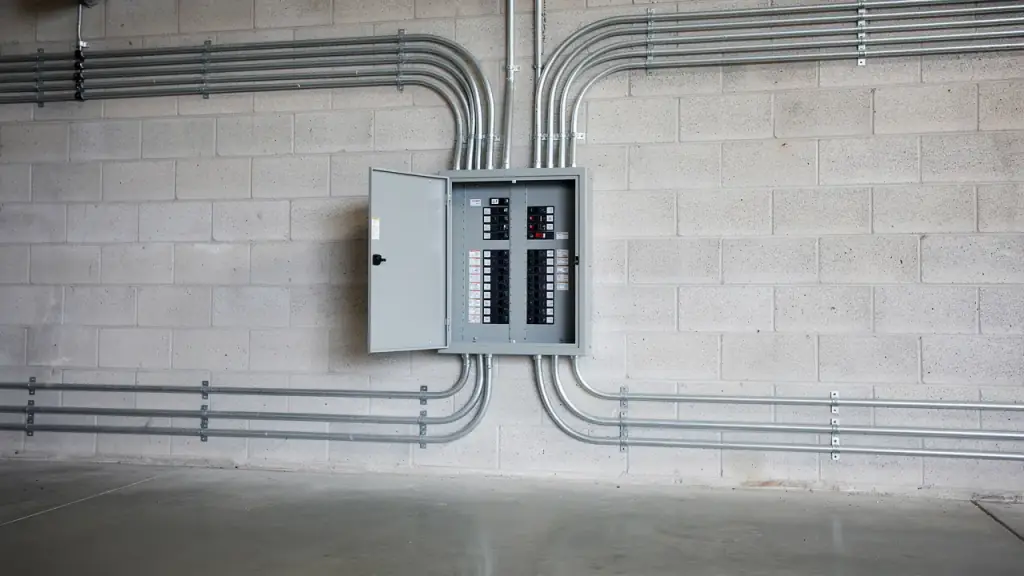
Something fails in a building at eleven on a Saturday night. A circuit is dead in a section of the warehouse, water is coming through a ceiling, or the heat has stopped on the first freezing night of the year. The person who gets the alert is often not the person who knows the building best. What they say on the first phone call shapes everything that follows, so it helps to have decided in advance what a good report sounds like.
Safety comes before the report
Before anything else, ask whether anyone is at risk. Fire, smoke, a strong gas smell, or an injury belong with emergency services first, not with a maintenance line. For hazards that are less immediate but still real, such as water near electrical equipment, exposed wiring, or a blocked exit, keep people away from the area and say so clearly when you report it. A good coordinator will ask about safety early, and you should volunteer it before they have to.
What to tell the person who answers
Reports go wrong when they are vague. Compare saying that the power is out with saying that two circuits in the east wing are dead, the main is on, and the breaker will not reset. The second version lets someone send the right trade with the right expectations. Aim to cover these points.
- The building name, address, and exactly where in the building the problem is.
- What you saw, heard, or smelled, and when it started.
- Whether anyone is in the area and whether the space is still usable.
- What you already tried, such as resetting a breaker or shutting a valve, and what happened.
- How to get in, including gate codes, lockbox details, and who can meet a technician.
Do not worry about naming the cause. You are not expected to diagnose it. Describe the symptom plainly and let the person triaging it ask follow-up questions.
How urgency gets assessed
Urgency is a judgment about consequences, not about how loud the problem sounds. A good triage looks at safety first, then at whether the problem will cause damage if it waits, then at whether it stops the building from operating. An active leak above electrical equipment ranks higher than a dead light fixture in a corridor. A failed heating system in a building with plumbing at risk of freezing ranks higher than the same failure in mild weather.
Resolute Facilities Solutions describes its process as fast response and triage: assess urgency, dispatch the right trade, and set expectations immediately. That last piece matters as much as the dispatch. You should come off the call knowing who is being sent, what the plan is, and what you need to do in the meantime, even if the answer is that the repair will be handled in the morning and the space should be closed overnight.
Why photos and documentation matter
A photo does three jobs at once. It helps the person triaging understand what they are dealing with before anyone drives out. It helps the technician arrive with the right tools and parts. And it creates a record of the condition before anyone touches it, which is useful if an insurer, an owner, or a tenant asks questions later.
Take a wide shot that shows where the problem is in the room, then a close shot of the damage, then anything that shows the source if you can see it, such as a ceiling stain with the pipe above it or the breaker panel with the tripped breaker visible. Note the time, and write down what you were told on the phone. Five minutes of this at midnight saves an hour of reconstruction on Monday.
After the immediate fix
An emergency repair is often temporary. Get clear on what was done, what was left for a follow-up visit, and what caused the failure in the first place. If the same system has failed before, that is a signal for inspection or planned replacement rather than another patch.
Resolute Facilities Solutions takes emergency calls and texts around the clock at 833-588-5286. Keep that number, a short checklist like the one above, and your building's access details together where the on-call person can find them, and a bad night becomes a manageable one. For planning ahead, reach out through the contact page.
Resolute Facilities Solutions, 833-588-5286
Call 833-588-5286More articles
Quarterly or Semiannual Facility Inspections: How to Choose a Cadence
The right inspection schedule depends on how hard the building works, and the findings only matter if someone sorts them.
What One Point of Contact Changes When You Manage a Building Full of Vendors
Fewer phone numbers is the visible change; fewer gaps between trades is the one that saves you.